
Epoxy vs Concrete Garage Floors – Pros and Cons
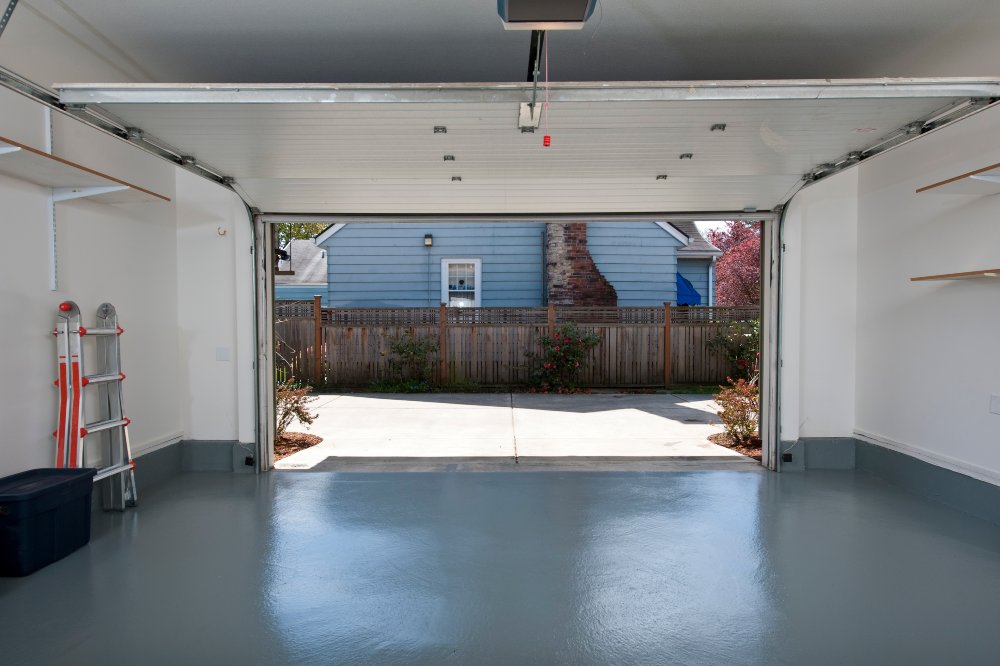
Do you wonder if an epoxy garage floor is a better option than a plain concrete one? Custom Floor Coating has worked with countless clients in Jacksonville and St. Augustine, FL, discussing epoxy vs. concrete garage floors to help them decide between these options. Our comprehensive skills and expertise in home flooring cover a wide selection of topics, including epoxy garage flooring benefits and whether epoxy flooring is better than concrete. On this page, we’ve provided a garage floor coating comparison to ensure you have plenty of information to make an educated decision about your garage floor. We discuss concrete and epoxy garage floor pros and cons, and a breakdown of concrete garage floors vs. epoxy. After reading the insights below, we encourage you to reach out to us for more information and to find the perfect flooring for your home garage.
Overview of Epoxy vs. Concrete Floors
Epoxy garage floors are concrete slabs coated with a resin-based system that creates a seamless, glossy, and highly durable surface. Traditional concrete garage floors are simply unfinished or lightly sealed concrete left exposed. Both options are popular among homeowners, but epoxy’s appeal has grown quickly as people look for cleaner, more finished garages that feel like extensions of their home. Standard concrete is affordable and sturdy, yet prone to dusting, stains, and cracks. Epoxy, by contrast, adds chemical resistance, easier cleaning, brighter appearance, and improved resale appeal. All these traits make epoxy especially attractive for households that use their garage as a workshop, gym, or everyday entryway. At Custom Floor Coating, we aim to ensure your garage floor fits your specific needs, style, and budget.
Pros & Cons of Epoxy Flooring
Epoxy garage flooring has surged in popularity as homeowners look for surfaces that are tougher, cleaner, and better-looking than bare concrete. Its seamless finish, broad range of colors, and ability to stand up to heavy use make it especially appealing for garages, patios, and high-traffic interiors. Many people appreciate how epoxy brightens a space and simplifies cleaning. At the same time, it’s important to weigh its strengths and limitations before deciding if epoxy is the right fit for your home. Below, we’ve outlined some pros and cons of epoxy flooring for homes:
- Pro: Strong Durability – Resists stains, impacts, and abrasions, making it ideal for garages, workshops, and busy household areas.
- Pro: Easy Maintenance – Smooth, non-porous surface simplifies sweeping and mopping, reducing dust and grime buildup.
- Pro: Attractive Appearance – Custom colors, flakes, and finishes create a polished, modern look that can boost the perceived value of the home.
- Con: Installation Requirements – Needs proper surface prep, professional application, and curing time, which can be inconvenient.
- Con: Potential Slipperiness – High-gloss finishes may be slick when wet, so added texture or anti-slip additives are often recommended.
Pros & Cons of Concrete Flooring
Concrete flooring remains a go-to choice for garages because it is straightforward, cost-effective, and inherently strong. Homeowners appreciate that a basic concrete slab can handle vehicles, tools, and storage with minimal upfront investment. It’s also easy to pour in new construction and is compatible with many future upgrades, such as epoxy or sealers. Still, bare concrete has tradeoffs in comfort, appearance, and maintenance. With these factors in mind, understanding concrete flooring’s advantages and drawbacks helps you decide whether to leave it exposed or enhance it with a coating. The following are some honest pros and cons of concrete flooring:
- Pro: Affordable Installation – Generally less expensive than specialty coatings, making it attractive for budget-conscious projects.
- Pro: High Structural Strength – Handles heavy vehicles and equipment, providing a stable base for garage use.
- Pro: Low Initial Maintenance – Functions well with basic cleaning, though dust and stains are common.
- Con: Prone to Cracking and Staining – Temperature changes, moisture, and daily use can create surface damage over time.
- Con: Dust and Porosity Issues – Unsealed concrete can shed dust and absorb oils or chemicals, leading to a dull, dirty appearance.
Key Differences: Durability, Cost, & Maintenance
Concrete garage floors and epoxy garage floors differ most in protection, appearance, and upkeep. A standard concrete slab is durable and budget-friendly, but it stains easily, produces dust, and can crack over time, especially in busy garages. An epoxy garage floor adds a hard, protective coating that resists chemicals, tire marks, and moisture while creating a brighter, more finished look. Epoxy typically costs more upfront than leaving concrete bare, but it often reduces long-term cleaning and repair needs. Custom Floor Coating can walk you through color options, performance levels, and pricing, so you can decide whether an epoxy coating delivers the durability, style, and value you want without stretching your budget. Homeowners throughout Jacksonville and St. Augustine have trusted us to advise them on which flooring options are the right fit for their style, long-term goals, and budget.
Final Verdict: Which Flooring Option Is Better?
Durable, beautiful, easy-to-clean garage flooring is perfectly possible in Florida, with guidance and service from Custom Floor Coating. After reading this page, you likely have a better understanding of epoxy vs. concrete floors and a clearer vision of what you want for your garage floor. The cost-saving convenience and natural strength of concrete can be appealing, but you cannot deny the added benefits of epoxy. Every homeowner has different priorities for their floors. You may favor the simplicity of bare concrete, or you might need to upgrade your garage floor’s appearance and protection with a high-quality epoxy coating that matches your personal style and complements your home. Contact us today to learn more about what we offer for residential garages and to start the process.