
The Negative Effects of Moisture on Epoxy Floor Coatings
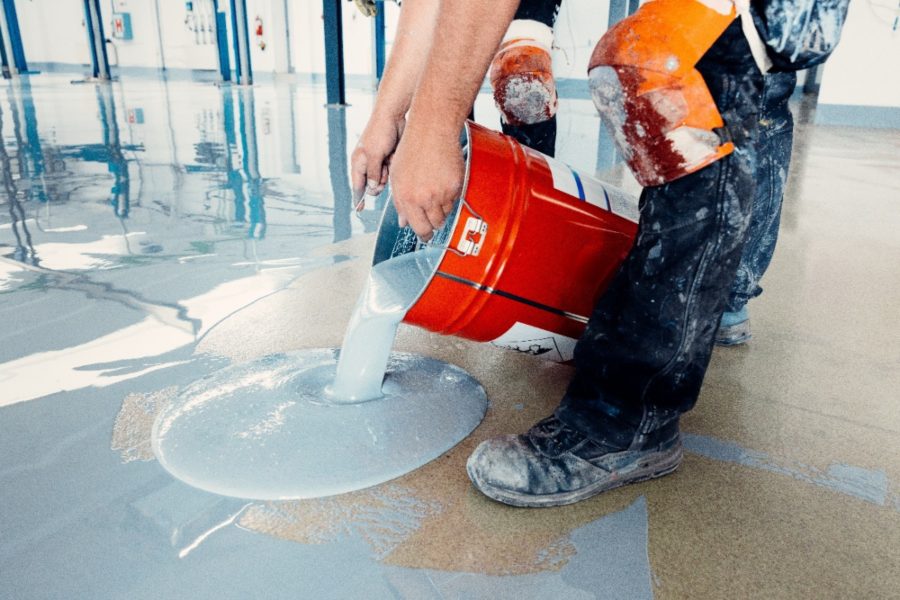
How to Protect Your Epoxy Floors from Moisture
Moisture is the fastest way to ruin an epoxy floor coating. Your garage or patio might look flawless right after installation, but within a few weeks, bubbling, peeling, or dull patches start to set in. The cause almost always stems from epoxy floor moisture issues, which are especially common in Florida’s humid climate. The good news is that these problems are preventable with proper surface preparation, careful attention during installation, and occasional maintenance once the job is complete.
Why Moisture Causes Epoxy Floor Peeling and Bubbling
Epoxy forms a hard, protective layer by bonding tightly to the concrete slab. This bond is everything. If moisture enters the picture, the coating loses its grip and starts to fail.
Concrete may look solid, but it acts like a sponge. Water vapor passes through it from the soil below and from the air above. When moisture gets trapped beneath the epoxy coating, it can’t escape. Pressure gradually builds and pushes against the epoxy layer until it starts separating from the slab, forming bubbles or peeling away in sheets.
Humidity makes things worse. High moisture levels in the air slow the curing process and weaken the bond during installation. The result is an epoxy floor that never fully adheres the way it should. This can lead to premature delamination and frustrating do-overs.
Apart from peeling and bubbling, epoxy floor humidity problems can also manifest as cloudiness or uneven texture. Instead of a clean, glossy finish, the surface looks dull or patchy.
Epoxy floor water damage often starts small. A tiny bubble or lifted edge may not catch your attention right away, but if left alone, the issue is bound to spread. Isolated moisture can migrate through the slab beneath the coating, and before long, entire sections of the floor start to fail.
Proven Epoxy Floor Moisture Prevention Tips
In Florida, moisture is persistent but not unbeatable. A well-planned installation combined with the right precautions keeps your floor looking sharp for years. Here’s how to ensure long-lasting epoxy floors in Florida’s wet, humid climate.
Prevent Moisture from Below
Water vapor rising through the concrete slab is one of the biggest threats to your epoxy coating. Get ahead of it with these tips:
- Test the slab before installation: Moisture testing identifies invisible vapor movement within the concrete. Professional installers use specialized tools to measure moisture levels accurately.
- Install a moisture vapor barrier epoxy system: A moisture barrier blocks vapor transmission through the slab and protects the topcoat from pressure buildup.
- Repair cracks and joints: Open cracks allow water to travel upward faster. Sealing them before applying the coating reduces pathways for moisture intrusion.
- Ensure proper exterior drainage: Poor drainage around the house increases groundwater pressure beneath the slab. To redirect water away from the foundation, grade the soil properly, clean your gutters regularly, and extend the downspouts.
Control the Environment During Installation
Temperature and humidity on installation day affect adhesion and curing time. Follow these tips to promote a successful epoxy application:
- Make sure the concrete is completely dry: Cleaning is an important part of surface prep, but the slab must fully dry before the coating goes down. Even light condensation can prevent a proper bond and lead to epoxy floor water damage.
- Monitor temperature and humidity levels: Ideal conditions allow epoxy to adhere tightly and cure evenly. Relative humidity above 70% and temperatures over 85 degrees F can disrupt the chemical reaction, leading to weak spots and peeling.
- Use ventilation, air conditioning, and dehumidification: Airflow keeps humidity levels in check, but opening a window is only so effective when you live in Florida. On hot, humid days, it’s better to run an air conditioner and dehumidifier to keep the environment within an ideal range.
- Schedule installation on mild days: For outdoor floor coatings, you’re at the mercy of the weather. Conditions can change fast in Florida, so timing matters if you want to avoid moisture issues from the start.
Choose the Right Epoxy System and Installation Method
Not all floor coatings perform the same. Here’s how to boost epoxy flooring performance in a humid climate:
- Select the right coating: Special formulations are available to handle high-moisture environments and resist epoxy floor humidity problems. If you’re concerned about moisture, ask your installer about systems rated for elevated vapor emissions.
- Take a multi-layer approach: The longest-lasting epoxy coatings begin with a moisture-blocking primer and end with a durable polyaspartic topcoat. This combination creates a strong barrier against vapor rising through the slab and water penetrating from above.
- Invest in professional installation: DIY epoxy floor kits exist, but they often fall short, especially in moisture-prone environments. Professional installers perform proper moisture testing and use commercial-grade equipment to apply coatings with the precision needed to prevent premature peeling or bubbling.
Maintain Your Epoxy Floor
Even well-installed coatings benefit from occasional maintenance. Add these tasks to your to-do list:
- Clean regularly with the recommended products: Dirt and debris hold moisture against the epoxy coating, which can wear it down or cause staining. Sweep regularly and mop with mild soap and water or a pH-neutral floor cleaner to keep the finish intact.
- Wipe up spills promptly: Standing water from leaks or spills may allow moisture to seep through small imperfections in the coating. Clean it up right away. If the issue keeps recurring, fix the source to prevent epoxy floor water damage.
- Inspect for early signs of trouble: Don’t ignore small bubbles, lifting edges, or dull spots. If you act quickly, you may be able to reverse these early signs of epoxy floor moisture issues and avoid more extensive repairs.
Protect Your Epoxy Floor from Moisture
With careful installation and ongoing care, you can keep your epoxy floor looking its best for years. Custom Floor Coating is the right team for the job. We have completed thousands of installations in various settings, from residential garages and pool decks to commercial buildings and industrial facilities. Our team handles everything in-house and works efficiently to deliver one-day installations that last up to 20 years. Contact us today to request a free estimate in Jacksonville, St. Augustine, or the surrounding areas.